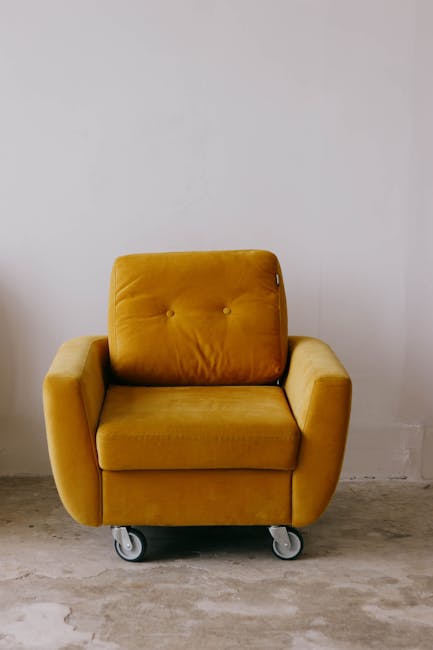
Upholstery cleaning Churchfield Road homes in Acton
Posted on 11/08/2026
If you live on Churchfield Road or nearby in Acton, you already know how quickly everyday life leaves its mark on sofas, armchairs, dining chairs, and fabric headboards. Morning coffee, muddy shoes, pets hopping up without warning, a child's biscuit crumb that somehow disappears into the cushions - it all adds up. That is where upholstery cleaning Churchfield Road homes in Acton becomes more than a tidy-up task. It helps protect the furniture you use every day, improves the look and feel of your rooms, and can make a home feel fresher without replacing a single item.
In this guide, we will look at what upholstery cleaning involves, how the process works, what to expect, and how to avoid costly mistakes. You will also find practical tips, a comparison table, a simple checklist, and a few grounded observations from the kind of homes you tend to see around this part of Acton. Nothing fluffy. Just useful, real-world advice.
Why Upholstery cleaning Churchfield Road homes in Acton Matters
Upholstery takes a beating in a way many people underestimate. Carpets get blamed for dirt, but sofas and soft furnishings quietly absorb body oils, dust, food residues, pet dander, and everyday grime. In a busy home, that build-up becomes noticeable in the fabric before it becomes obvious in the room. A cushion may still look "fine" from a few feet away, yet smell a bit stale when you sit down. That's usually the clue.
For Churchfield Road homes in Acton, this matters for a few very practical reasons. First, many properties in the area are lived in properly. They are not showroom spaces. They are used for family film nights, remote work, visitors, and the odd last-minute dinner party. Second, the furniture in a home often represents a decent investment. A good sofa is not cheap. Neither are quality dining chairs or a well-finished sofa bed. Keeping them in shape makes financial sense, full stop.
There is also the comfort factor. Clean upholstery feels better, smells better, and can make the whole home feel more settled. It sounds obvious, but the difference is quite striking after a proper clean. A room can look "almost clean" for ages, then one professional treatment later it feels like the air has changed. Not magic, just thorough cleaning done well.
And if you are in the middle of a broader home refresh, upholstery cleaning fits neatly alongside deep cleaning in Acton or a seasonal reset such as spring cleaning Acton. The furniture often tells the story of the room, so leaving it out is a bit like washing the windows and not opening the curtains. You can, but why would you?
How Upholstery cleaning Churchfield Road homes in Acton Works
The exact method depends on the fabric, the age of the item, the type of staining, and whether the upholstery can tolerate moisture. Good cleaning starts with identifying the material. Cotton blends, synthetic fibres, wool mixes, velvet, and linen all behave differently. Some can be safely wet cleaned. Others need low-moisture or specialist treatment. One size definitely does not fit all here.
Most professional upholstery cleaning follows a sensible sequence:
- Inspection: The fabric, construction, labels, and visible problem areas are checked first.
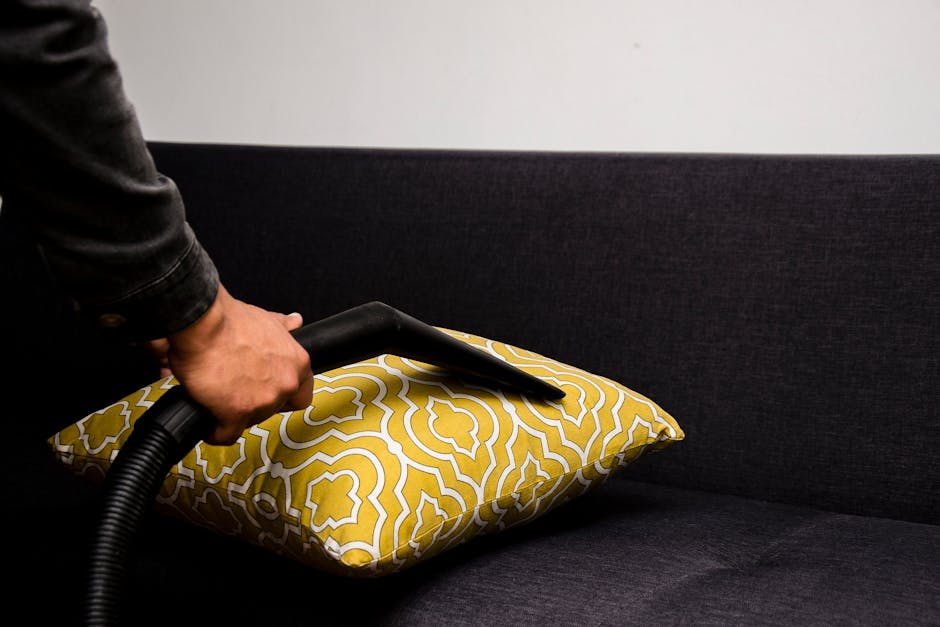
- Vacuuming: Loose debris, crumbs, dust and pet hair are removed from seams, piping, and under cushions.
- Pre-treatment: Stains, marks, and traffic areas are treated with suitable solutions.
- Cleaning: The chosen method is applied, often hot water extraction, low-moisture cleaning, or a specialist dry approach.
- Rinse or neutralise: Any remaining cleaning residue is reduced so the fabric feels clean, not sticky.
- Drying: Airflow and careful drying help prevent damp smells and water marks.
- Final check: Problem areas are revisited if needed and the finish is inspected.
Hot water extraction is common for durable fabrics, but it is not automatically the right answer. That is where experience matters. A velvet chair, for example, needs a different touch from a synthetic family sofa. If a cleaner rushes in with heavy moisture and a "let's see what happens" attitude, you may get browning, shrinkage, or a textured fabric that dries unevenly. Nobody wants that on a Tuesday afternoon.
In homes near Churchfield Road, where furniture is often used daily and rooms can be relatively compact, a good cleaner also thinks about airflow and drying time. That practical detail matters more than people expect. A beautiful clean that leaves the room damp for too long is not really a win.
Key Benefits and Practical Advantages
Let's face it: upholstery cleaning is partly about appearance, but the real value goes deeper. Here are the benefits that usually matter most to homeowners in Acton.
- Better appearance: Everyday dullness lifts, and colours often look brighter again.
- Improved freshness: Odours from pets, food, smoke, or general use are reduced.
- Longer furniture life: Dirt particles can wear down fibres over time, so removing them helps preserve the fabric.
- More comfortable living spaces: Clean upholstery simply feels nicer to sit on, especially in a family home.
- Better hygiene: Regular cleaning helps reduce allergens and built-up debris on high-use items.
- Stronger first impression: Useful if you are hosting guests, photographing a property, or preparing to move.
A lot of people only think about upholstery when a stain appears. Fair enough. But routine care is usually what saves you from the expensive panic later. That one spill on a light sofa? If treated promptly and correctly, it may be manageable. If it sits there for weeks, it can set into the fabric and become a permanent part of the furniture's personality. A bit rude, really.
For landlords, tenants, and sellers, clean upholstery can also support a better overall presentation. If you are already looking at end of tenancy cleaning Acton or preparing a home for viewings, soft furnishings are worth attention because they affect how "lived in" a room feels. A tidy sofa can change the emotional tone of a space more than a decorative cushion ever will.
Who This Is For and When It Makes Sense
Upholstery cleaning Churchfield Road homes in Acton makes sense for a surprisingly wide mix of households. You do not need a disaster to justify it. In fact, waiting for a disaster is often the expensive way to do things.
It is especially useful if you are:
- a family with children who snack on the sofa like it is a small cafe
- a pet owner dealing with fur, odours, or the occasional muddy paw mark
- a tenant wanting the home to look cared for before moving out
- a homeowner preparing for guests, guests, and more guests
- a seller aiming to improve the presentation of a living room or reception space
- someone with light-coloured or textured fabric that shows dirt quickly
- a person with allergies who wants to reduce dust and build-up in soft furnishings
It also makes sense after a busy season. Think winter months with closed windows, more indoor time, and more use of the same sofa every night. Or after a run of house parties where people kindly promise not to spill anything, then spill anyway. Humans do that.
If your furniture is older but still structurally sound, professional cleaning can be a very sensible middle step before replacing it. That is often the sweet spot: not too early, not too late.
Step-by-Step Guidance
If you are planning upholstery cleaning at home or trying to decide what to expect from a professional visit, the following process is a good guide. It is simple, but there is discipline in the details.
- Identify the upholstery fabric. Check care labels if they are present. If not, note the texture, age, and any fragile details like trimming or piping.
- Test for colourfastness. A tiny hidden area should be checked before any liquid treatment is used. This matters more than people think.
- Vacuum thoroughly. Use a crevice tool on seams and around cushions. Dust is sneaky.
- Treat visible stains carefully. Use a suitable pre-spotting product and avoid scrubbing hard. Blotting is usually safer than rubbing.
- Choose the right method. Durable fabrics may suit wet cleaning; delicate fabrics often need a gentler approach.
- Control moisture. Too much water can leave marks, distort fabric, or lengthen drying time.
- Dry properly. Open windows where appropriate, use airflow, and keep cushions separated until fully dry.
- Brush or reset the pile. On velvet or textured fabrics, the finish may need light grooming once dry.
Small detail, big difference: move cushions and scatter cushions separately. It sounds basic, but a lot of misshapen or patchy-looking upholstery comes from cleaning the visible surface and ignoring the hidden sections where dust and oils accumulate. Under the cushions is where the truth lives.
If the item is valuable, antique, or made from a fabric you would describe as "probably fragile", do not guess. Book advice from a specialist or use a service that is clear about its cleaning methods. Guesswork is not a strategy. It just feels like one until something stains.
Expert Tips for Better Results
After enough furniture cleans, a few patterns become obvious. The best results usually come from calm prep and careful judgment, not brute force. A bit boring maybe, but effective.
- Act quickly on spills: Blot, do not grind the stain deeper into the fibres.
- Keep fabric labels in mind: The manufacturer's guidance should guide treatment whenever possible.
- Avoid over-wetting: More solution does not equal more clean.
- Use airflow wisely: Ventilation helps drying and reduces lingering smells.
- Rotate cushions: This spreads wear more evenly and helps furniture age better.
- Vacuum regularly: A weekly pass is often enough for busy homes, especially on family sofas.
- Protect high-use areas: Throws or removable covers can reduce everyday wear, provided they are cleaned properly too.
A practical example: if a sofa sits near a window and picks up sunlight, one side may fade faster than the other. Cleaning won't reverse fading, but it can remove the grime that makes the fabric look tired and uneven. You notice this most on greys, creams, and muted blues. They can go from "a bit dull" to "oh, that's nicer" after a careful clean.
For homes that already use regular domestic support, upholstery care can be folded into a broader maintenance plan. If you are interested in ongoing help, domestic cleaning Acton and house cleaning Acton can work alongside periodic specialist cleaning so the home stays on top of things without feeling like constant admin. Bliss, frankly.
Common Mistakes to Avoid
Most upholstery damage does not come from one dramatic disaster. It comes from small mistakes repeated over time. That is the annoying truth of it.
- Using the wrong product: Some stain removers are too aggressive for delicate fabric.
- Scrubbing too hard: This can roughen the pile, spread stains, or distort fibres.
- Skipping a patch test: Hidden damage can show up only after the area dries.
- Using too much water: Over-wetting can leave rings or a musty smell.
- Cleaning only the stain: This can create a bright spot surrounded by a dirtier fabric field.
- Ignoring drying time: Sitting on damp upholstery is asking for trouble.
- Assuming all sofas are the same: They are not. Not even close.
One of the most common issues is trying to rescue a stain with kitchen cupboard chemistry. Vinegar, baking soda, dish soap, and supermarket spot cleaners can help in some cases, but they can also leave residues or change the appearance of the fabric if used badly. There's a reason specialist cleaners spend time identifying materials before doing anything else.
Another mistake is forgetting the rest of the room. If you clean upholstery but not the surrounding carpet, curtains, or nearby soft furnishings, the whole space can still feel slightly off. That is where wider services like carpet cleaning Acton or one-off cleaning Acton can make sense as part of a bigger reset. Sometimes the room needs the whole story, not just the sofa chapter.
Tools, Resources and Recommendations
You do not need a van full of equipment to care for upholstery well, but the right tools make a measurable difference. For regular maintenance, a few basics go a long way.
| Tool or resource | What it helps with | Why it matters |
|---|---|---|
| Upholstery vacuum attachment | Dust, crumbs, pet hair | Reaches seams and cushions without rough handling |
| Soft microfibre cloths | Blotting spills | Safer than harsh rubbing on most fabrics |
| Fabric-safe spot treatment | Small stains and marks | Useful when used sparingly and correctly |
| Drying airflow | Post-cleaning moisture control | Helps prevent odour and water marks |
| Professional inspection | Delicate fabrics, old stains, unknown materials | Reduces risk and improves treatment choice |
For homes where upholstery is part of a broader upkeep plan, it can help to compare the service with other periodic options such as services overview, pricing and quotes, and about us if you want to understand how a company works before booking. If you are dealing with a broader property refresh or a move, the practical flow from cleaning to preparation is often easier than people expect.
There is also value in reading around the wider local context. Articles such as living in Acton: the local scoop and a closer look at Acton's suburban character give a better feel for the sort of homes and lifestyles that make regular soft-furnishing care worthwhile. Different homes, different rhythms. That matters.
Law, Compliance, Standards, or Best Practice
For domestic upholstery cleaning in the UK, there is usually no complicated legal process for a homeowner to follow, but there are still sensible standards and responsibilities to keep in mind. A professional cleaner should work in line with recognised safety and care practices, especially around chemicals, ventilation, and the treatment of delicate materials.
From a best-practice point of view, this means:
- checking fabric type before choosing a method
- using suitable products for the material and stain type
- testing in an inconspicuous area when appropriate
- avoiding unnecessary moisture or aggressive agitation
- protecting floors and surrounding surfaces during work
- allowing safe drying before the furniture is used again
For the service provider, careful handling and clear communication matter. If equipment, cleaning agents, or access arrangements are involved, the household should feel informed and comfortable about what is happening. That is part of a trustworthy service, not an extra.
If you are comparing providers, a sensible thing to ask is how they approach insurance, safety, and complaints. Those details are not glamorous, but they tell you a lot. You can review related pages such as insurance and safety, payment and security, and complaints procedure if you want to understand the standards around the service relationship. Practical trust beats vague promises every time.
Options, Methods, or Comparison Table
Different upholstery needs different treatment. The most common options can be compared quite neatly. In practice, the best method depends on the fabric, the degree of soiling, and how quickly you need the item back in use.
| Method | Best for | Pros | Watch-outs |
|---|---|---|---|
| Hot water extraction | Durable synthetic or mixed fabrics | Deep cleaning, strong on general soil | Not ideal for very delicate fabrics or where drying must be fast |
| Low-moisture cleaning | Routine refreshes and quicker turnaround | Faster drying, gentler than heavy wet methods | May need more targeted pre-treatment for stubborn marks |
| Dry or specialist fabric care | Delicate, unusual, or high-value materials | Reduced moisture risk, tailored treatment | Not suitable for every stain type |
| DIY spot cleaning | Small fresh spills | Quick response, low cost | Easy to overdo; can spread the stain or damage the finish |
In simple terms: if the sofa is robust and the soiling is general, a deeper method may be appropriate. If the fabric is delicate or the item must be used again quickly, a gentler approach is often smarter. If it is a treasured piece - the kind you inherited, or the one that looks perfect in the corner and would be a shame to ruin - don't wing it.
Case Study or Real-World Example
A typical Churchfield Road living room might have a three-seater sofa, two dining chairs, and a fabric ottoman that gets used as a footrest, toy storage, and occasional coffee stand. Over time, the sofa arms darken slightly, the ottoman starts to look flat, and one chair has a noticeable patch where someone always sits. Nothing dramatic. Just everyday use.
In a case like that, the process usually starts with a fabric check and a look at the traffic patterns. The arms and seat centres often need the most attention. A careful clean can remove built-up dust and oils from these areas, while the ottoman might need lighter treatment to avoid overdampening the filling. If a pet has also made the sofa their unofficial home, extra vacuuming and deodorising help a lot. The room doesn't just look cleaner; it smells more like a home again, if that makes sense.
What tends to surprise people is how much the furniture colour returns once the top layer of grime is removed. A cream sofa can look almost beige-grey before cleaning, then look properly cream again afterwards. Not brand new, of course. But revived. That is often the real win: not perfection, just a visible reset.
For homes that are being prepared for sale or new tenants, a combined approach can be useful. If you are thinking ahead, resources like steps to sell Acton property and Acton real estate smart buying tips can help frame the cleaning work within a wider property plan. And if the furniture is part of a move-in refresh, it often pairs well with a house cleaning Acton visit so the whole place feels ready, not half-done.
Practical Checklist
Use this simple checklist before booking or tackling any upholstery cleaning job at home.
- Check the fabric label or note the material type.
- Identify stains, odours, and heavily used areas.
- Test a hidden area if using any liquid treatment.
- Vacuum cushions, seams, and under the cushions first.
- Decide whether the item needs a gentle refresh or a deeper clean.
- Protect nearby flooring, walls, and wood finishes.
- Allow enough drying time before normal use.
- Keep pets and children off the furniture until it is fully dry.
- Plan follow-up maintenance, not just one-off cleaning.
- Ask questions if a fabric is delicate or unusually valuable.
One small habit helps more than people expect: regular vacuuming with the right attachment. It is not thrilling, I know. But it means less debris gets worked into the fabric, and that makes every future clean easier.
Get a free quote today and see how much you can save.
Conclusion
Upholstery cleaning Churchfield Road homes in Acton is one of those jobs that quietly improves daily life. It makes rooms feel fresher, helps furniture last longer, and keeps your home looking cared for without a major overhaul. Whether you are dealing with a family sofa, a pair of dining chairs, or a delicate statement piece, the key is to match the method to the fabric and avoid shortcuts that cause more trouble than they solve.
If you remember nothing else, remember this: the best upholstery cleaning is careful, specific, and patient. It is not about blasting everything with the strongest product available. It is about doing the right thing for the material in front of you. That is the difference between a decent result and a genuinely satisfying one.
And honestly, when a room feels cleaner, lighter, and just a bit more peaceful at the end of the day, that's a proper win.